
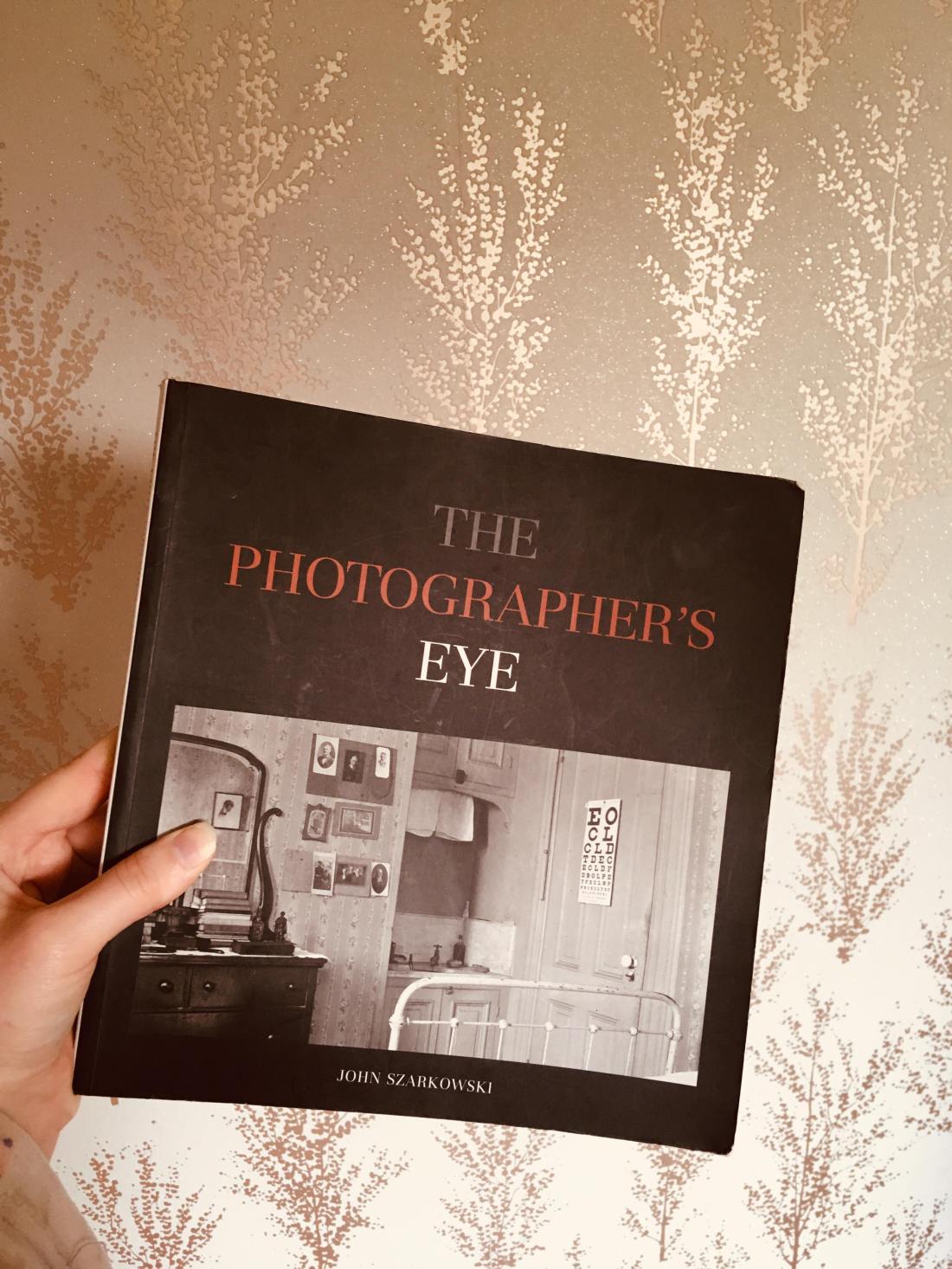
At the start of semester two, we were given a list of books we were to read, one of them being, The Photographers Eye by John Szarkowski.
Throughout this book, one thing that is found is five pointers dedicated to photography.
“The Thing Itself.”
John Szarkowski talks in his book about “the thing itself”. He talks about how photography deals with the actual. The subject and the actual photograph are not the same. Different photographs can convey the “truth”, through the photographer or the viewer when the look into the image.
“The Detail”
The author talks about the importance of detail and capturing it in order to make the photograph gain significance.
“Certain details can make the image gain intimacy and it can add something more to a picture, such as, a sense of place or time.”
“The Frame”
The importance of the frame includes everything within the frame of a photograph, whether it is consciously placed or not.
The photographer behind the camera has the ability to select everything that goes inside the frame and needs to take into account the different lines, textures, shapes, colours and even figures. He claims that the objects in the frame end up creating a relationship between the object.
“Time”
The phrase “the decisive moment” (created by the well known, Cartier Bresson) was talked about within this chapter. He claims that it is very misunderstood when it has been used. It is more to do with recognising the momentary patterning of shapes and lines and actually taking an image contains these. Shutter speeds. It is covered in the book that photographers are now proving that they want to freeze movement in an image, rather than blurring it.
“Vantage Point”
The fifth and final point within these is The Vantage Point. During this time, John Szarkowski talks about how, although the photographer may not always be able to move the subject, the cameras movement can usually be changed.
There are different vantage points, which is what he talks about, above, below, far away, close up, inverted, behind, or even half hidden, which is a good way to make the image more interesting. “Sometimes it can also bring different light to areas previously in the dark.”
 PHOT40106 / Visual Communication, Jorja Jones, Supporting Work