Development.

How do you feel you are progressing with technical aspects of this course? Is there a technical gremlin that might have imped your progress? What might you do to improve this?

Throughout the first year of this course, I felt extremely unconfident with the technical aspects of cameras and as time has progressed, I felt myself getting a lot better with it all due to the practice.

There are still parts of the technical that I have problems with and still feel unconfident, such as working in the studio with sync and the lighting, I plan to combat this with using the studio more in this second year. The best way to conquer the situation would be to try my best and do it and work through the parts that I don’t understand. Experience.

Confidence is something that I struggle a lot with in terms of everything on this course but due to a lot of situations that I worked on this first year, I feel so much more confidence and I am determined to work through this and battle through it to learn more.


How do you feel you are progressing with the academic aspects of the course? Do you believe that you would benefit from university’s academic support?

I found the support that we got throughout the first year extremely helpful, from the universities help and advice with essay’s but also the way everything was explained to us, making it all very clear in terms of equipment, projects etc. I do believe that I have benefited and would continue to do so.


What was your most rewarding assignment this year & why?

I do believe that confidence in a lot of my life is a big stopper in all aspects of life and so, I find myself worrying and panicking over the presentation side of the assessment’s and the practical exam, however, I do believe that they have been the most rewarding part this last year as I found that I was able to do them, and I think tackling things like this a lot more will be hard for me but I am determined this year to do so as I know it will get a lot easier for me.

I did well in my final presentation for the first year and it felt so good to be able to do it and find a voice, and I also did do well in my practical exam as well so ive found that despite the thoughts that hold me back, experience is good, no matter how frightening it is, and that I can do it. Luckily, this is something I have been realizing and despite still having more to work on, I am thankful for the course helping me with this.


What has been the most important skills/knowledge gain that has allowed you to improve your practical work?

Personally, the workshops had helped me gain knowledge with both simple things and harder things in the studios.

I have also been able to learn a lot more on the computer in editing, such as Photoshop and Lightroom etc.


What improvements in your studying & work will have to be made to enable you to improve next year? Is the balance of paid work & university where it should be?

In this second year, I am determined to work more with other resources, the studios, the on location lighting, the different lenses and cameras. It is placed there for helping students and giving them more of learning bases and so I shall use this resource.


You have covered a variety of different approaches to image making over the first year, how do you want to develop your work & why?

 I am going to look more into the different types of lenses I can use and the lighting as this is an extremely important part to photography and learning about it through experience in the best way.


What type of work experience, client-based practice or competitions would assist you in achieving this goal?

I believe that any type of work experience in the photography field would help me at this point due to not entirely knowing the direction i want to take my image making yet.  I have always been interested in works such as Gregory Crewdson and Brooke Shaden. Surrealism is something I love to work through or film stills or working on movies and the visuals, but I want to take my university opportunity and do as much as I can no matter what. Over this last summer, I worked through settings, determined to continue as I wanted to remember what I had learned prior in terms of technical and Photoshop. I have also been working on Landscape photography and going out of my comfort zone with it due to my usual landscape images being part of the romanticism part, so I decided to take documentary sided images that aren’t conventionally considered “beautiful.”

Furthermore, I also worked in wedding photography by taking photographs of a wedding, it wasn’t an official paid job but I wanted experience in it and I think this was a good and important thing for me to of done, to gain more confidence slowly but surely with working with clients.

I have also entered my work in the British Landscape competition in the past but i am going to start entering my work more often from now on.


Have you seen or plan to see any exhibitions/installations?


I plan to look more into exhibitions and installations as my course progresses, I haven’t been very active in seeing them recently but I am going to do so at every opportunity.


How can you improve your conceptual thinking?

In order to improve my conceptual thinking, I want to read more books and magazines and look to other photographers work for inspiration. Something I have done over the summer is purchase more books that have helped me throughout, to truly make me think. Some of these books include: National Geographic The Photographs, Read This If You Want to Take Great Photographs by Henry Carroll, and other books by Henry Carroll such as his books about places and people.


Which key texts do you engage with?


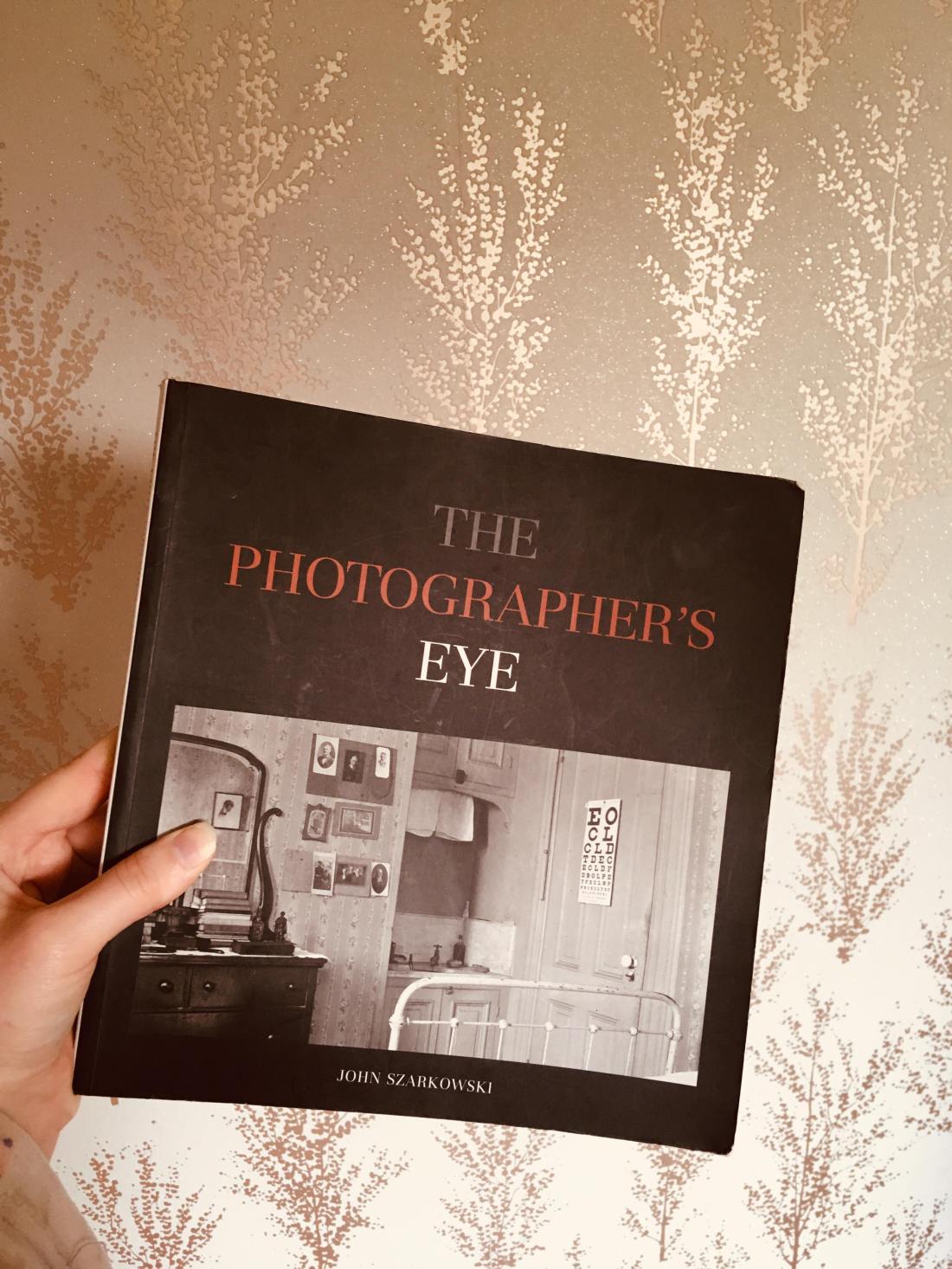
In terms of reading, I have engaged with those I stated in my previous question, especially with works by Henry Carroll. I also purchased a long time ago “The Photographers Eye” to help me with my first projects and this is where I really began to learn more in photography.

This last year, we have had a lot of photographers come in for a guest speak and they have all inspired me quite a bit, taking aspects of their vision and thoroughly looking into it. I have also been interested in photographers I find over the Internet, looking at how other photographers work on YouTube.


Which image makers/ has or will influence you the most in the development of your work?

A photographer that has been a great inspiration for me over the years is Brooke Shaden in terms of vision and experience, causing me to love the editing process of photograph development and see it all come together. Other photographer’s I’m interested in are Tim Walker, Ansel Adams, Willie Doherty, Gregory Crewdson, Alma Haser, Annie Leibovitzand and Rut Blees Luxemburg.

Over this last year of exam research and research in general with my lectures, I already knew of these people but due to these lessons, I have come to know much more about these other photographers which have helped me see the world differently and inspires me with my work, such as, Henri Cartier Bresson, Irving Penn, Man Ray and Vivian Maier.

Final report

Final report

Technical Knowledge

I have always been rather nervous and found that technical knowledge is a weaker part of my photography knowledge, however, this semester, I have truly begun to feel a lot more comfortable and have gained control in the technical side of the camera. I can now be confident on a shoot in altering my ISO, Aperture and Shutter Speed to work well. Despite the fact that I am still not 100%, I have definitely gained a lot of confidence throughout. I have found that a lot of resources have become a lot easier to use this semester due to the help from the lectueres, including photoshop. The projects we have had this year, including The Constructed Image mainly, have been a lot interesting. I enjoy the editing side of photography very much and it excites me after a shoot, and this semester has been very compelling. Not only have I became more secure in using my own DSLR camera, I have also had the chance of using other cameras, such as, other DSLRs, but also, film cameras (large and medium format). Due to the helpful and extremely thorough help and lectures throughout this semester, covering a lot of pointers and with help from the lecturers, who always make sure that we are understanding what we are learning, I have been a lot happier in technical. I have learnt so much in the last few months of university. The studio, which I have used this semester, and was nervous about, I have become a lot more confident in both in the lighting and the setting up. The small group sessions with the lecturer about the lighting has been very helpful also, giving and listening to our questions and answers them correctly, it is noted that “no question is stupid”, which makes me feel extremely comfortable.

Pictorial Construction

Throughout this semester, I have looked a lot into the way my photography looks, and due to last semester, I have been able to look at my photographs in a different way. It is very much as John Szarkowski’s five point, point out. “The thing itself”.

I have used a lot of photoshop this semester and this has developed my skills and how to use certain tools within it. The construction of images are something I find extremely interesting and by a lot of research, I have been able to look into how other photographers construct their image. Time has been a big part of my projects, especially Enigma of Time. By thinking of time and how it has been an important factor throughout a persons life, whether it is our generation or generations before now, everything has had an effect with time. Whether it is using Shutter Speed or grain to create vintage images, I have defintley been thinking a lot about Time displayed in my images.

The Frame has been a big part of my photography experience this semester, due to learning it last semester that everything that is in The Frame is very important to the image, depending on whether it is a tree or a pole that could potentially be poking out of someones head, and despite the fact that this is “simply a pole and not attatched to the person” it could be seen as deliberate from the photographer or a mistake, either way, it doesn’t look good in an image and this is defintley something I have been thinking about a lot. I wanted to make sure that everything in The Frame of my images is an important part to the image.

The Detail has also been an important factor in my images, and to make sure that the details are striking, especially in my Objects of Desire images, I wanted the light to make the object look desirable, I wanted to make the important part of the images appear well, I have been able to do this with both lighting but also Depth of Field.

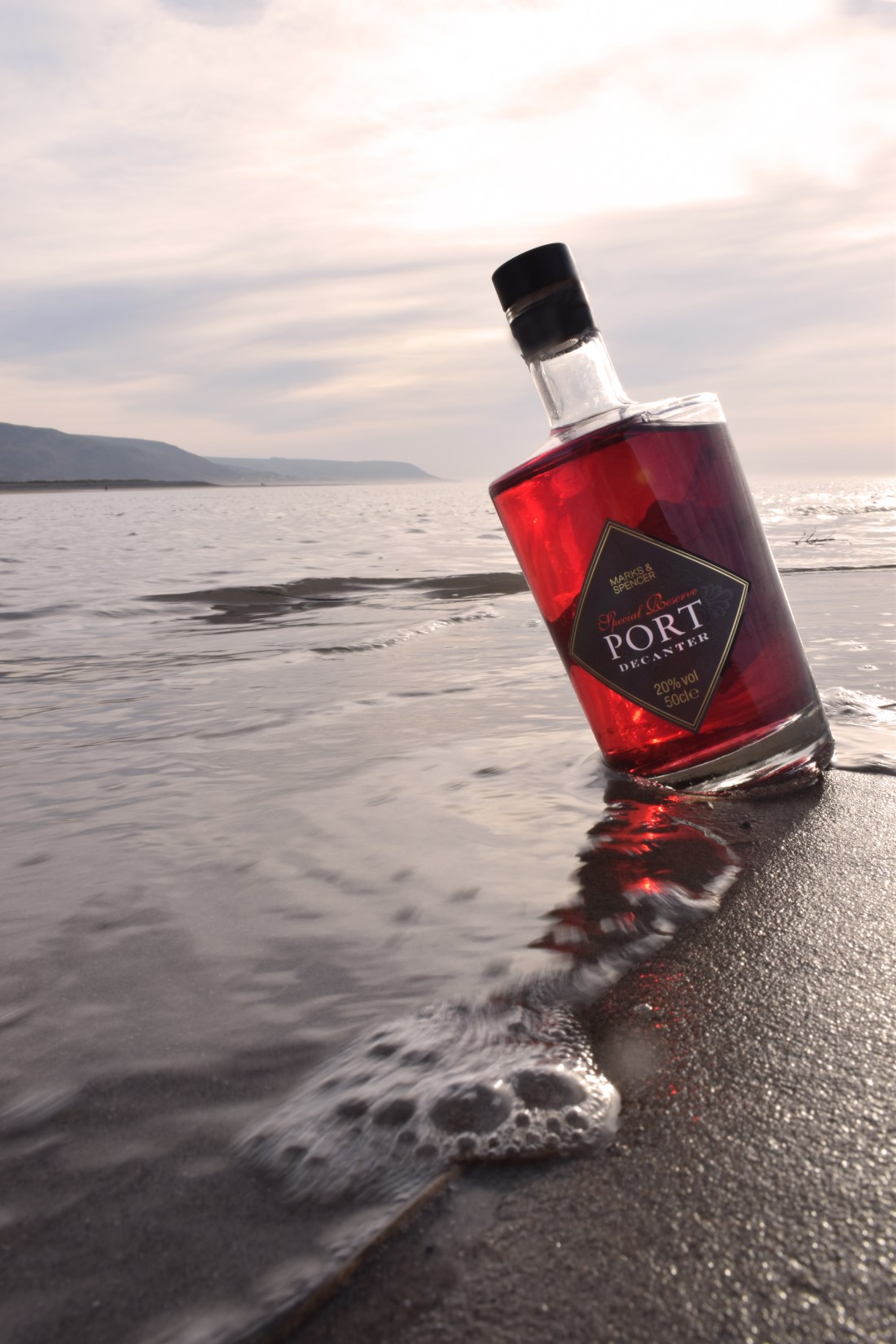
Furthermore, I have looked into Vantage Point, the angle to which my images come across, I have taken some from the floor, especially in Objects of Desire, like my Port bottle, which has concluded me to lie on the beach to get the Vantage Point right. Some of my perfume bottle images, I have experimented with from down below and high above, to the side etc. This was purely for experimentation to see how the photographs will appear. It is extremely good to experiment with Vantage Point because by taking a photograph at a different angle, could make an image look even better than originally imagined.

Print Interpretation

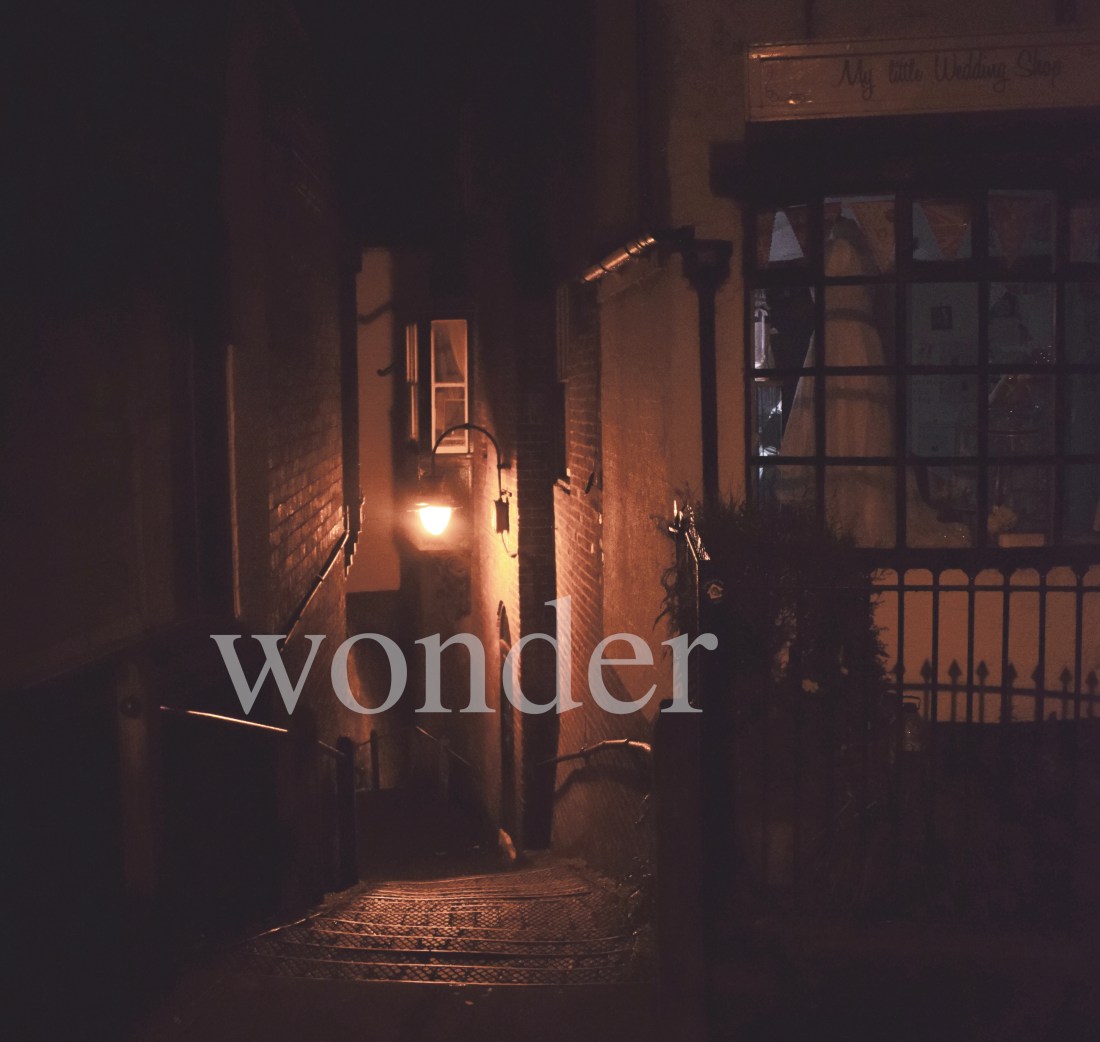
When printing my twelve images off this semester, it has defintley been trial and error. I tried to use a lot of different papers such as Oyster and Matte as opposed to just using gloss. I really love using glossy paper due to the effect that it creates, especially on images that involve water. On one of my photographs, “wonder” for constructed image, I appreciated using Matte, it created a grand effect. When printing the actual photograph off, I decided to lighten my images a tiny bit by using levels as it usually is different on the screen to when it is printed off on printing paper. Sometimes I had even tried with using more saturation to bring the colours out more so. I saw my images improve from last semester in the printing process.

When looking into printing my photograph, I decided to print them off centre rather than simply placed in the middle of the A4 page. I did this on purpose because I believe it is a lot more interesting than keeping every photograph in the middle. Some of my images are placed left, right, up and down. However, I did decide to place some of my images in the middle, as I believe that this fitted the look a lot better.

Contextual Knowledge

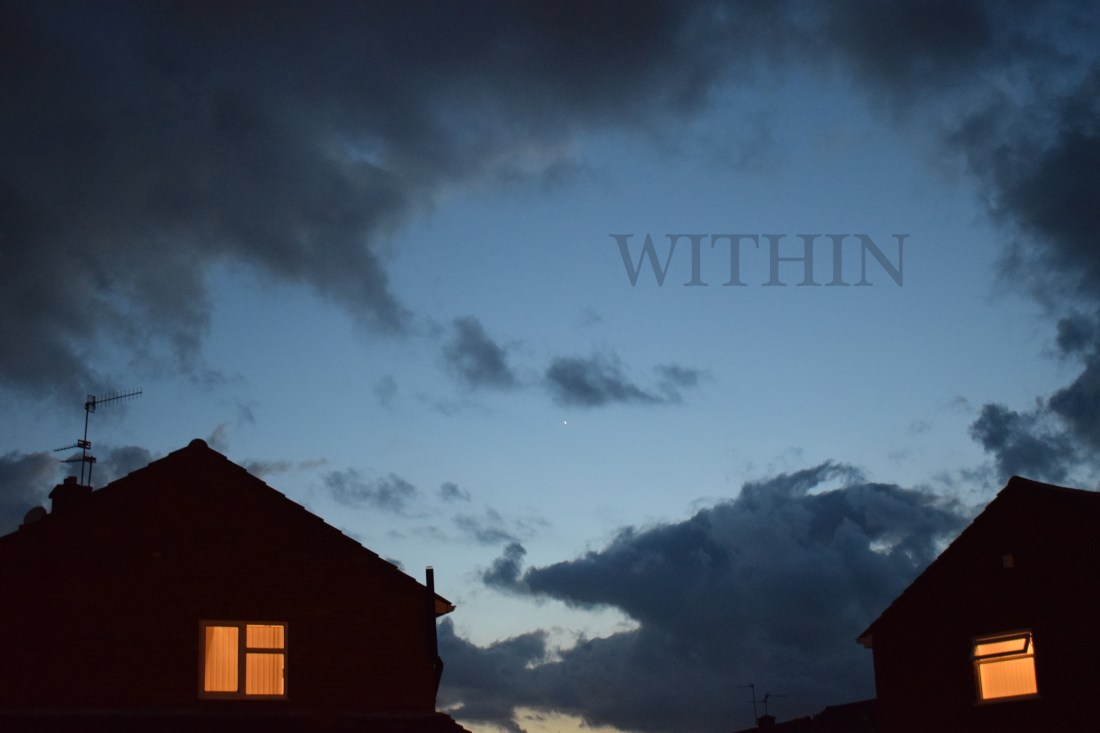
Context in images are important, helping the viewer to look into what is happening, of course, depending on what it is used for, to create, the context can give a photograph different meanings. The surroundings can effect context, as well as subject and it isn’t always clear to what is happening and I find it interesting when the images give the look of different meanings, rather than it being too obvious. In one of my photographs for The Constructed Image, the composition of the houses from “Within” is very compelling due to the darkened houses. Another photograph I used was for Objects of Desire, and by simply

lighting up the surrounding flowers, very well and this created a whole new meaning and vibe in juxtaposition to what the image was originally like.

Overall Performance

And so, throughout this semester, I have gained a whole lot of new confidence, whether it is the technical sides of cameras and studios, the presenting of the images, and despite being not very confident, I can feel myself getting better slowly and I am very thankful that this course is helping me. Also, I have been able to understand images a lot better due to The Photographers Eye.

I was able to research more interesting photographers and looking into different ways of how their images are created. Using the studio has really helped my confidence also.

Learning about different cameras, like film cameras, has been a big confidence booster also. I also have appreciated learning about the printing process of film, it is very interesting and new to me!

One of the hardest projects for me to think about was Objects of Desire, and the ability to come up with an idea but I am very happy with my outcomes and I wanted to take the chance to experiment with advertisement photography.

I also appreciate my Enigma of Time photographs alongside my Constructed Images.

All and all, I have thoroughly enjoyed learning this semester and stepping out of my comfort zone. Despite that it has been tough for me to do so, it has been very rewarding to see the outcomes!

My final photographs.

My final photographs.


Objects of Desire.

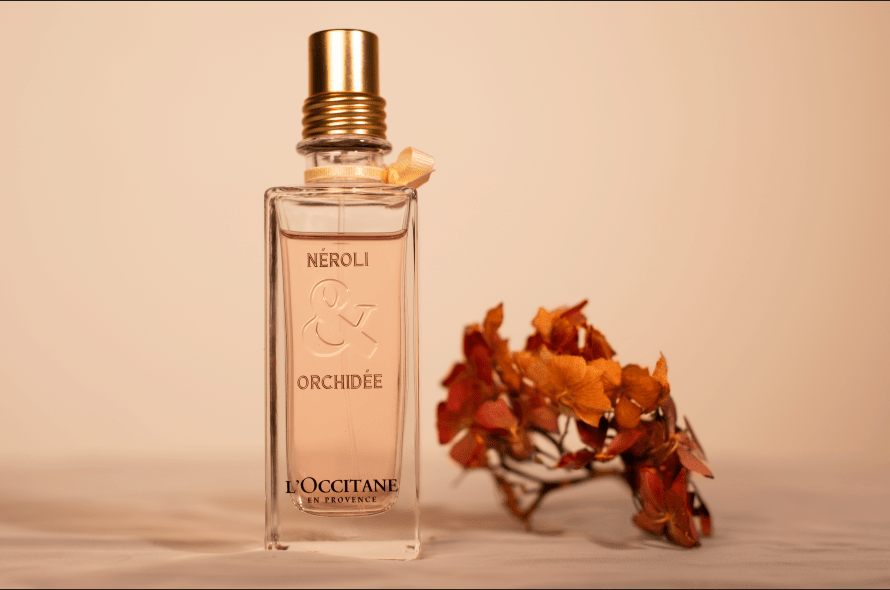
Image 1. (Perfume)

Here I used studio lighting (a soft box and a key light). My ISO was set at 200. My Shutter Speed was 1/125 and my Aperture was at around F8. I wanted to try advertisement in these images. I found it extremely confusing and tough to come up with ideas for this project but I had ended up deciding to take this project literally and take literate Objects of Desire and making the actual image desirable.

I wanted to use studio lighting to experiment with studio lighting and white balance, to make the image soft and have pastels involved, just as the photographers I researched. I decided to add flowers to give a visual representation of what the perfume smells like, with a sense of warmth to the photograph.

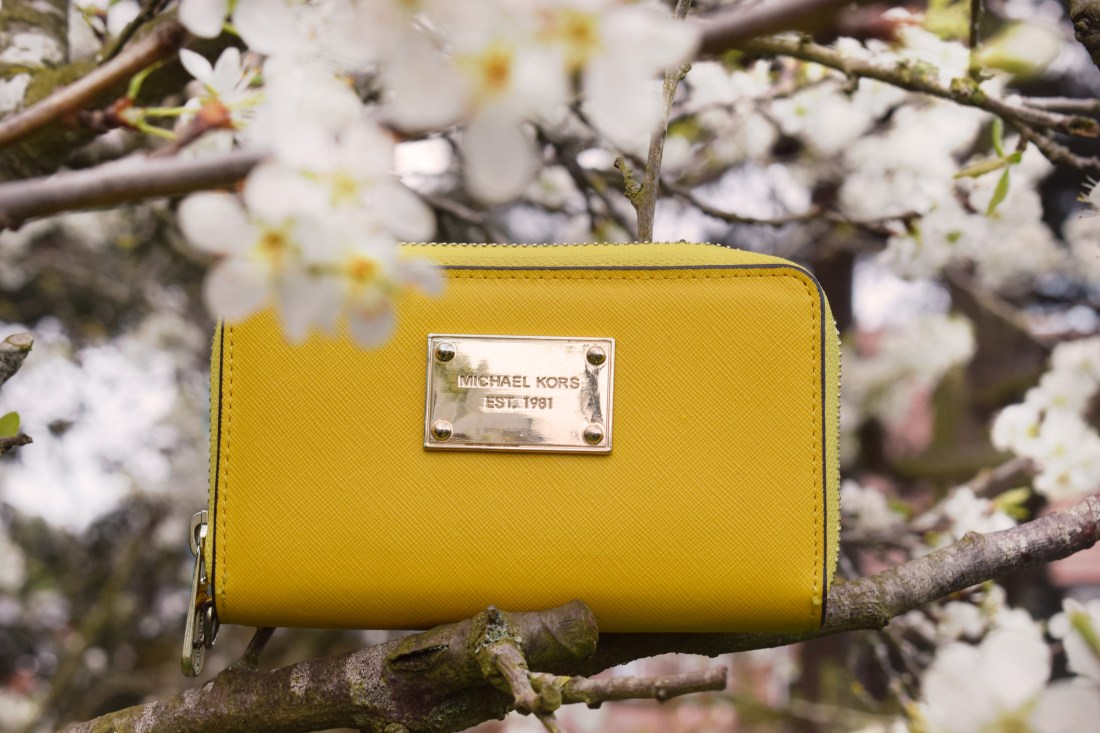
Image 2. (The purse)

Here, I used natural lighting. ISO: 200/100. (?) The shutter speed: 125/160. Aperture: about F11?

This is another image I wanted to make soft, I had used natural lighting. I wanted to have a delicate effect on the image due to the delicacy of the petals in the image, and due to the fact that the purse is in focus whereas the blossom is blurred out, creating more of a soft effect. The purse colours corresponded well with the colours from the nature surrounding it. It was created to become a desirable image. I had brightened the flowers for desire, with the idea of taking commercial out of the studio to bring natural effects.

Image 3. (The port.)

I again, used natural lighting. ISO – 200. Shutter speed – at about 125. Aperture – F5.6 / F8.

I wanted the lighting to be authentic from the beach, so I used natural lighting. I had taken the project literally, with the word “desirable”, a desirable drink at the beach. I used the Vantage Point well and tried to make it so that the sun was hitting directly through the bottle. Furthermore, I think the motion from the waves was also a clever way to make the image rather personal.

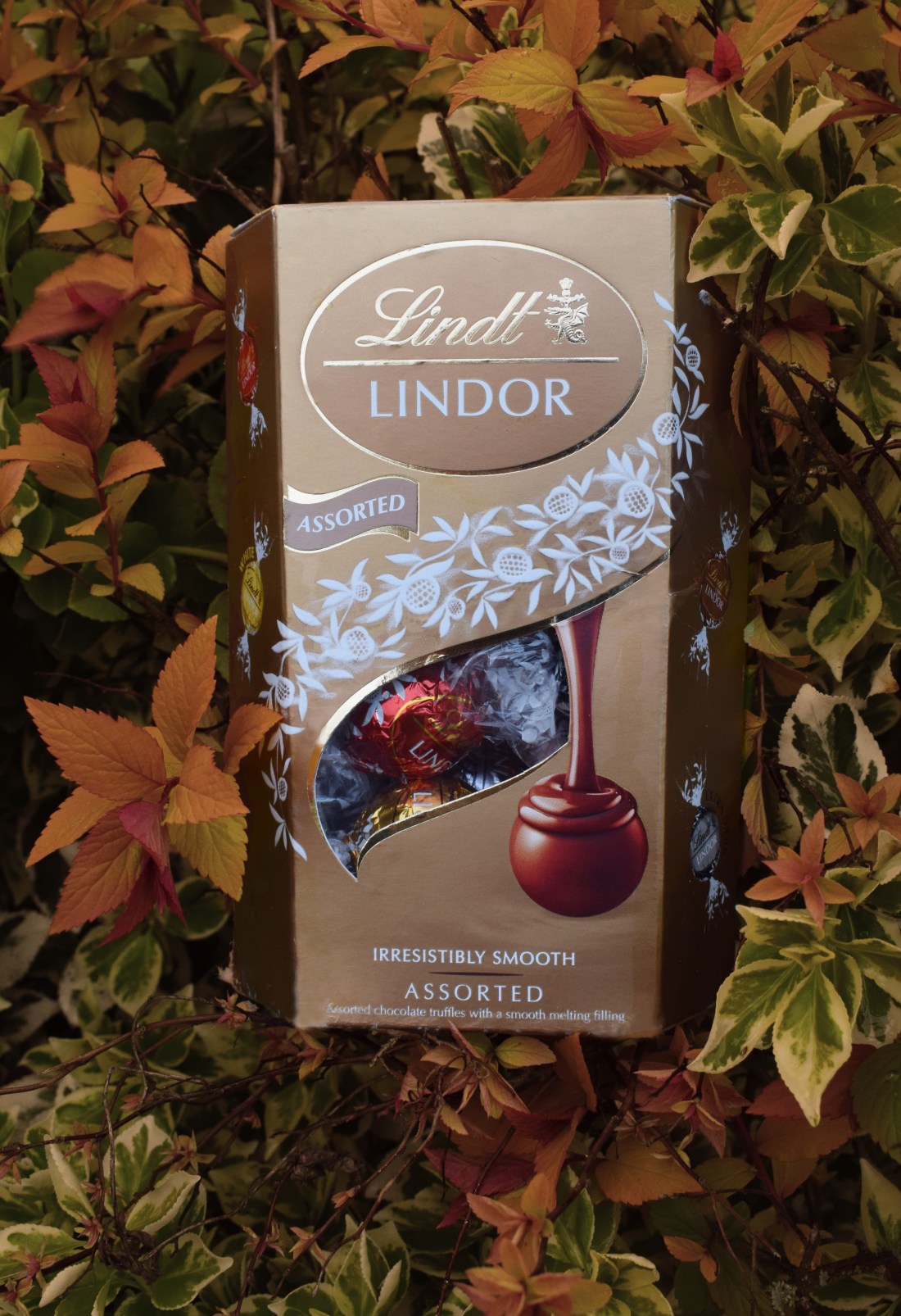
Image 4. (The chocolate)

Natural lighting. ISO- 200. Shutter speed- 160. Aperture- F8(?)

I again, took the image so that it was deemed desirable. The background was and is purely for the aesthetics of the box matching with the box. I brought out the light hitting the box and hitting the chocolate on the box just right.

The Constructed Image.

For the constructed image, I took the opportunity to use words in images as I believe that it realty brings out the meaning, such as, Willie Doherty’s images, which was a big inspiration to me throughout.i decided to use one words, getting straight to the point, making the

images appear slightly more mysterious to make the audience think, than writing a sentence.

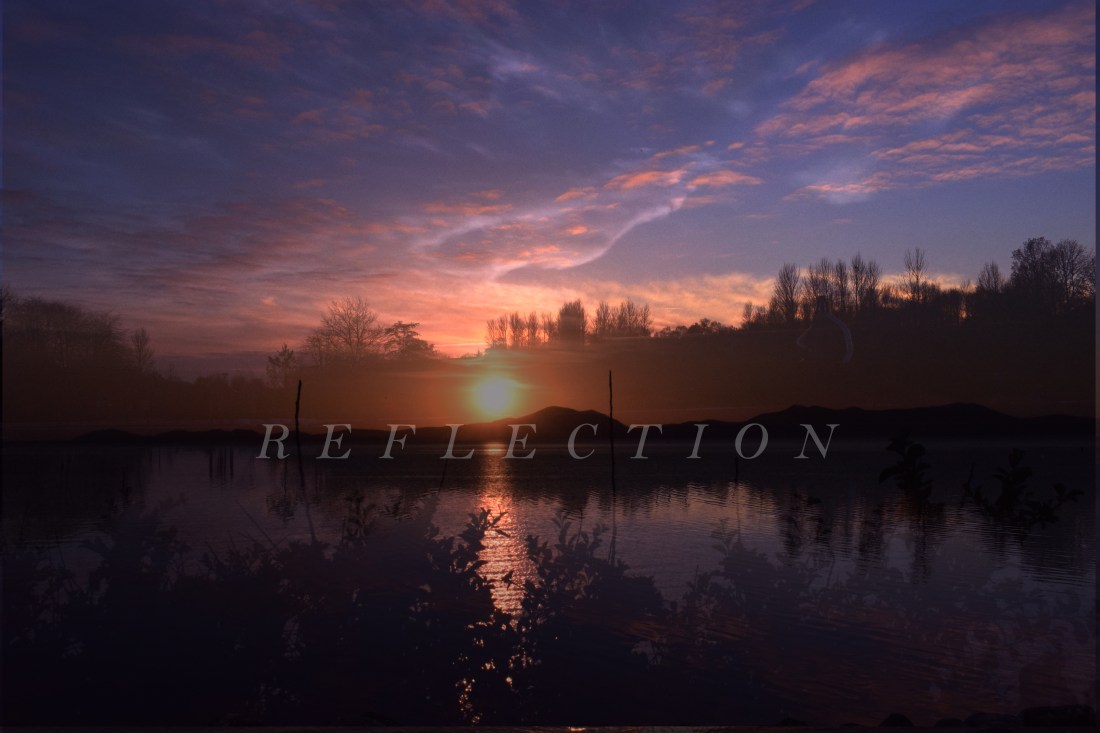
Image 1 (The reflection)

I took, at different times, two sunset images in different locations, and had decided to layer them together and lower the opacity so that the top image would blend better with the background image. I used these particular images due to the same colour tones One of the images was at the beach whereas the other was at a lake and so, I believe that they corresponded very well.

Both of them took at ISO – 200. Aperture – F5.6. Shutter Speed – 160.

The word “reflection” was the idea of the “literate” reflection with the sun, in juxtaposition with the deeper meaning, which was that people watch landscapes in wonder or sit and look at them, reflecting on whatever they have been going through at that time, which is really meaningful and shows true beauty in landscape that can be found, and it can happen anywhere, which was the idea of using two different sunset images.

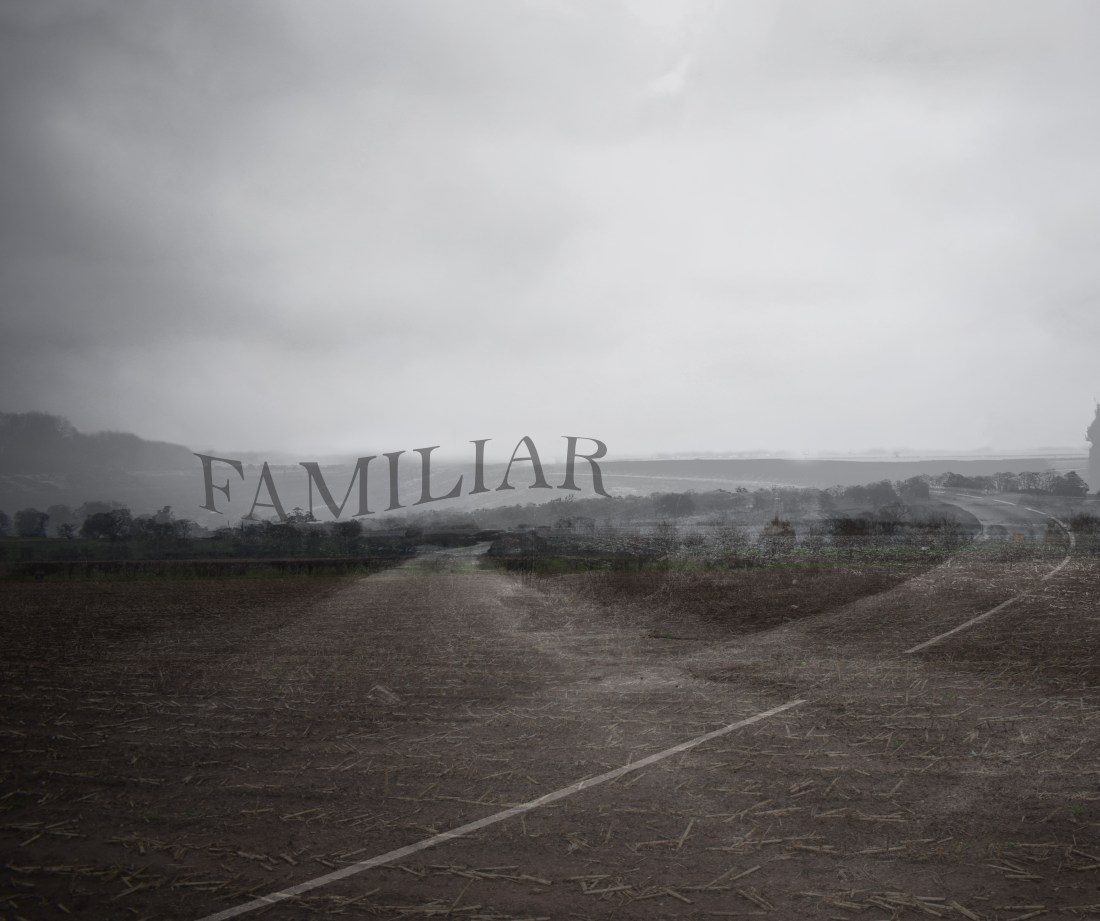
Image 2. (Familiar)

Black and white. Layered with 2 / 3 landscape images, all the same colour toning but all taken in different areas.

Originally, I wanted to use something involving direction, but instead as it turned out, I had decided on using something more personal to me, as these areas are extremely familiar to me, spending my childhood in many of these areas. The idea of them being in black and white is that they are a memory.

However, it could also be relating to other peoples situations, such as the audiences, to not know what direction they are facing within life.

Image 3. (Wonder)

ISO- extremely high, I don’t remember the exact ISO but due to it being a darker area, I used a higher ISO. Aperture- 5.6, due to a lot of it being in focus. Shutter speed – 160.

This image is cropped with natural ambience.

This photograph is a town with ambient lighting, creating a warm vibe. This image can be seen to make a person wonder when they are looking at it, due to the windows curtains being half open, and the street that is eventually enveloped in darkness. However, due to the warm effect, it makes the image rather cosy, so, with this in juxtaposition, I used Wonder, as it does just that.

Image 4. (Within)

ISO- 400/ high, due to it yet again, being a shot taken in the evening. Shutter speed- 125/60. Aperture- F5.6.

This photograph, I, again, believe that there is a contrast between the sky, that is starry and appears quite bright, and the dark silhouetted houses with the set of ambient windows, making the image take a sinister turn. Throughout this project, I wanted to use, perhaps, “everyday” words that could be, when placed in image, quite interesting. I used “Within” due to the conspiquous houses and windows shining. What is within?

The Enigma of Time.

In this project, I used both natural locations and studio. Modern against vintage, the juxtaposition between them both to show that time has and will effect all generations, it includes memories and movement, not only in the body but in the person themselves. I wanted to evidentally created mysterious photographs, “The Enigma of Time”

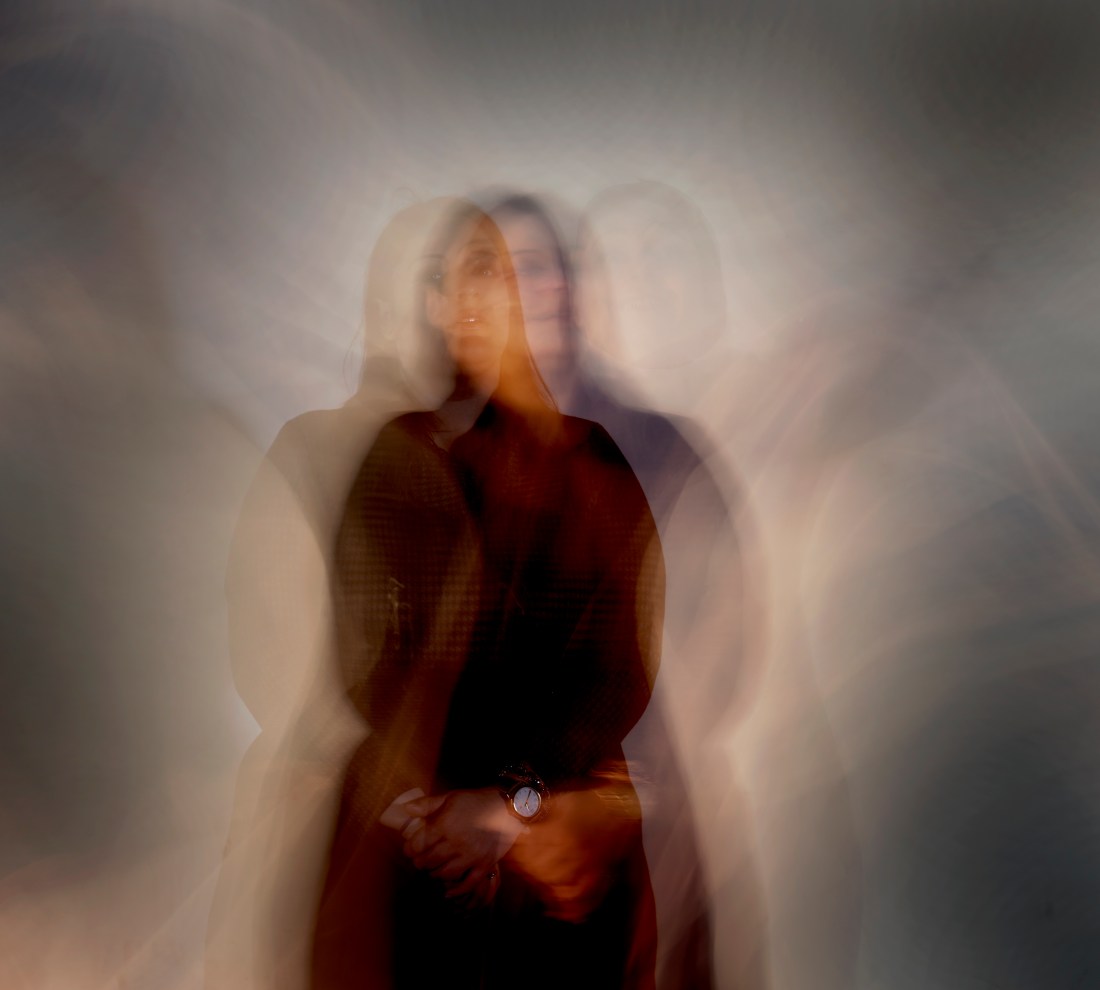
Image 1 (The modern clock)

Taken within the studio, a soft box and key light is being used.

ISO- 200. Shutter speed- 7 seconds. Aperture- F5.6/8.

Here, I wanted to create a slight modern, surreal image. I used shutter speed to add movement, and as it turned out, three faces from the same person, three different bodies came into light, with three different facial expressions. This showed both how time can be portrayed as confusing but also the modern look on society nowadays, with the different situations that people are put in nowadays. The watch was kept in focus, to show the Time.

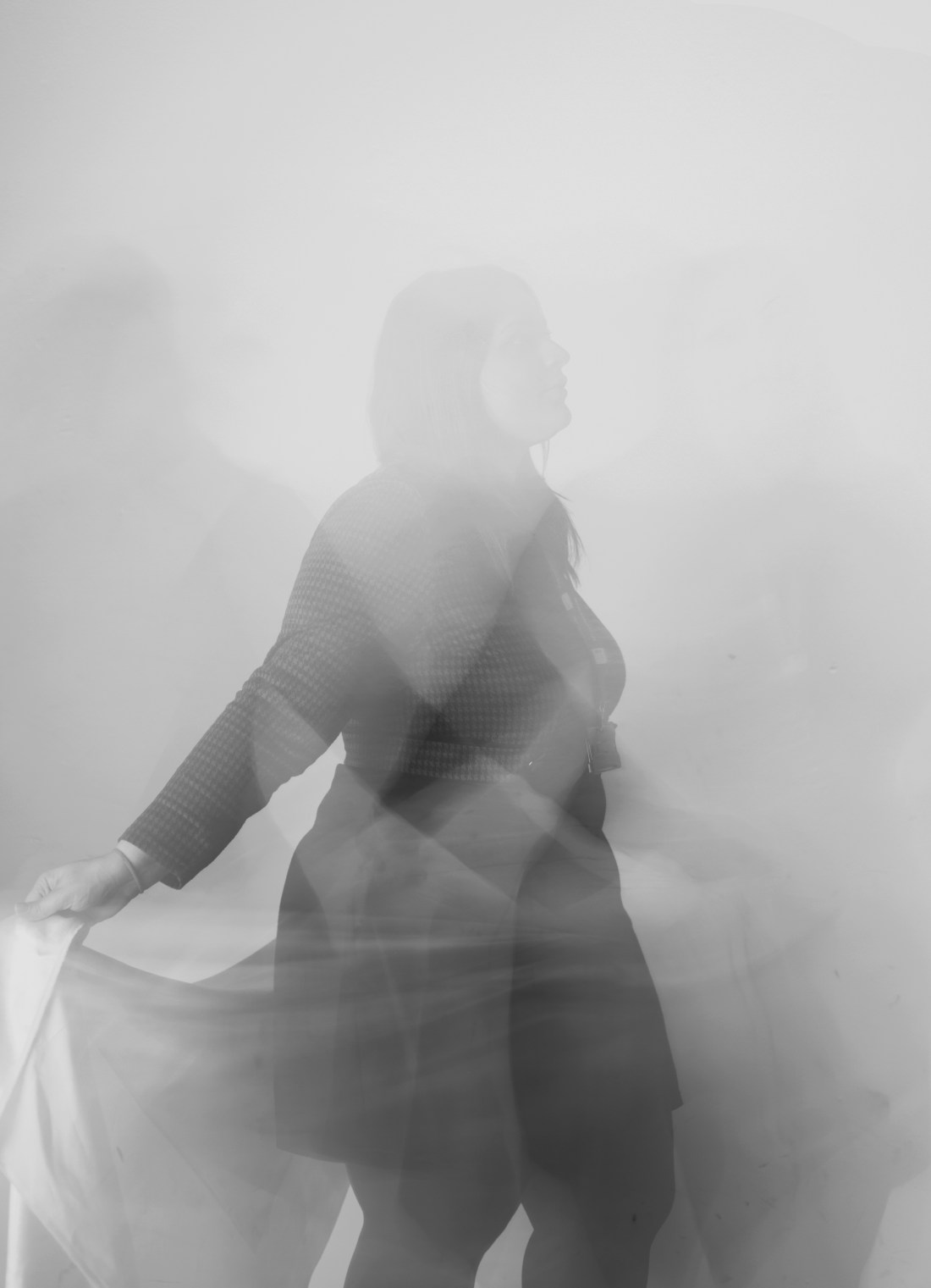
Image 2. (Ghostly dancer)

Again, studio lighting, soft box and key light.ISO- 200. Shutter speed – 7 seconds and Aperture was at F5.6/8.

This photograph is simply portraying movement, which was Bill Wadman inspired.

However, I also looked into the Enigma of time, and by keeping the face faded and out of the image, it creates an eery mysterious sense to it.

Image 3. (Vintage memories)

Natural lighting is used here. ISO – 200. Shutter speed- 160. Aperture- F8(?)

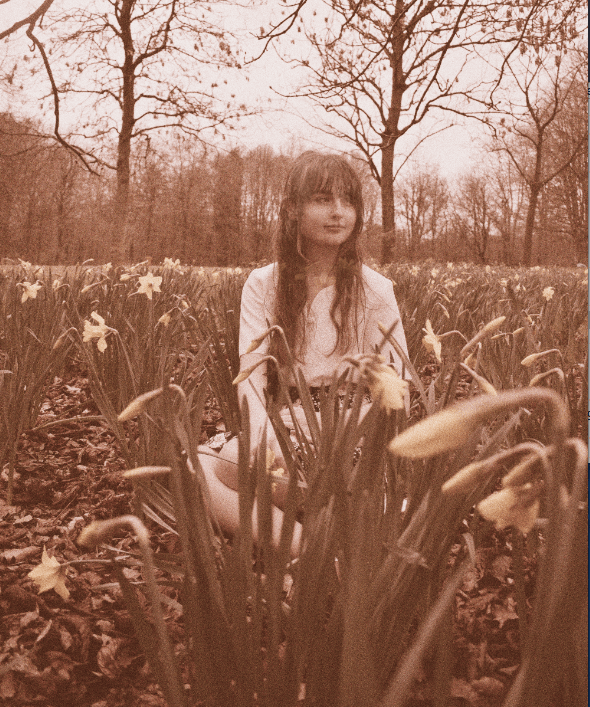
For this image, I wanted to create a vintage effect and did this by adding a sepia effect and adding on grain (or “noise) I originally wanted to have the idea of “they are a memory” with making the person in the photograph transparent.

The enigma of the photograph is the question of where they are looking at and why. The where are they. The when. Creating a rather ghostly effect.

Image 4 (Vintages memoir)

Natural lighting. ISO-200. Shutter speed – 160. Aperture – F8.

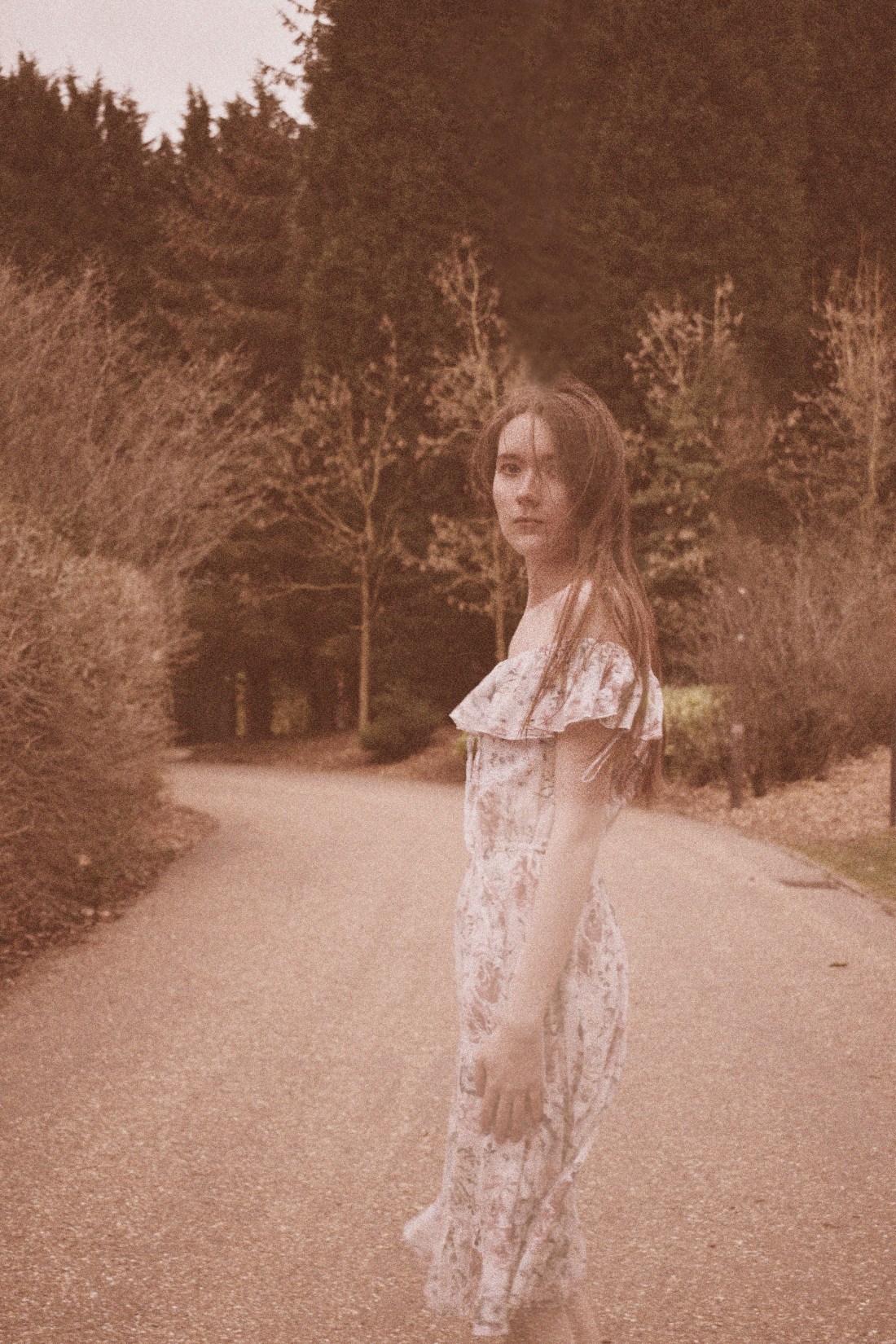
This photograph also had the same meaning as the previous image, the idea of a transparent memory. However, this photograph is a little different due to the fact that the person within the image is looking directly at the camera, it is haunting and piercing. She has a blank expression. Rather personal, somewhat vunerable.

Even the background to the image creates up the idea of “The Enigma”, where does the path go? Where did she go? I wanted to created vintage inspired images.

Objects of Desire.

Image 1. (Perfume)

Here I used studio lighting (a soft box and a key light). My ISO was set at 200. My Shutter Speed was 1/125 and my Aperture was at around F8. I wanted to try advertisement in these images. I found it extremely confusing and tough to come up with ideas for this project but I had ended up deciding to take this project literally and take literate Objects of Desire and making the actual image desirable.

I wanted to use studio lighting to experiment with studio lighting and white balance, to make the image soft and have pastels involved, just as the photographers I researched. I decided to add flowers to give a visual representation of what the perfume smells like, with a sense of warmth to the photograph.

Image 2. (The purse)

Here, I used natural lighting. ISO: 200/100. (?) The shutter speed: 125/160. Aperture: about F11?

This is another image I wanted to make soft, I had used natural lighting. I wanted to have a delicate effect on the image due to the delicacy of the petals in the image, and due to the fact that the purse is in focus whereas the blossom is blurred out, creating more of a soft effect. The purse colours corresponded well with the colours from the nature surrounding it. It was created to become a desirable image. I had brightened the flowers for desire, with the idea of taking commercial out of the studio to bring natural effects.

Image 3. (The port.)

I again, used natural lighting. ISO – 200. Shutter speed – at about 125. Aperture – F5.6 / F8.

I wanted the lighting to be authentic from the beach, so I used natural lighting. I had taken the project literally, with the word “desirable”, a desirable drink at the beach. I used the Vantage Point well and tried to make it so that the sun was hitting directly through the bottle. Furthermore, I think the motion from the waves was also a clever way to make the image rather personal.

Image 4. (The chocolate)

Natural lighting. ISO- 200. Shutter speed- 160. Aperture- F8(?)

I again, took the image so that it was deemed desirable. The background was and is purely for the aesthetics of the box matching with the box. I brought out the light hitting the box and hitting the chocolate on the box just right.

The Constructed Image.

For the constructed image, I took the opportunity to use words in images as I believe that it realty brings out the meaning, such as, Willie Doherty’s images, which was a big inspiration to me throughout.i decided to use one words, getting straight to the point, making the

images appear slightly more mysterious to make the audience think, than writing a sentence.

Image 1 (The reflection)

I took, at different times, two sunset images in different locations, and had decided to layer them together and lower the opacity so that the top image would blend better with the background image. I used these particular images due to the same colour tones One of the images was at the beach whereas the other was at a lake and so, I believe that they corresponded very well.

Both of them took at ISO – 200. Aperture – F5.6. Shutter Speed – 160.

The word “reflection” was the idea of the “literate” reflection with the sun, in juxtaposition with the deeper meaning, which was that people watch landscapes in wonder or sit and look at them, reflecting on whatever they have been going through at that time, which is really meaningful and shows true beauty in landscape that can be found, and it can happen anywhere, which was the idea of using two different sunset images.

Image 2. (Familiar)

Black and white. Layered with 2 / 3 landscape images, all the same colour toning but all taken in different areas.

Originally, I wanted to use something involving direction, but instead as it turned out, I had decided on using something more personal to me, as these areas are extremely familiar to me, spending my childhood in many of these areas. The idea of them being in black and white is that they are a memory.

However, it could also be relating to other peoples situations, such as the audiences, to not know what direction they are facing within life.

Image 3. (Wonder)

ISO- extremely high, I don’t remember the exact ISO but due to it being a darker area, I used a higher ISO. Aperture- 5.6, due to a lot of it being in focus. Shutter speed – 160.

This image is cropped with natural ambience.

This photograph is a town with ambient lighting, creating a warm vibe. This image can be seen to make a person wonder when they are looking at it, due to the windows curtains being half open, and the street that is eventually enveloped in darkness. However, due to the warm effect, it makes the image rather cosy, so, with this in juxtaposition, I used Wonder, as it does just that.

Image 4. (Within)

ISO- 400/ high, due to it yet again, being a shot taken in the evening. Shutter speed- 125/60. Aperture- F5.6.

This photograph, I, again, believe that there is a contrast between the sky, that is starry and appears quite bright, and the dark silhouetted houses with the set of ambient windows, making the image take a sinister turn. Throughout this project, I wanted to use, perhaps, “everyday” words that could be, when placed in image, quite interesting. I used “Within” due to the conspiquous houses and windows shining. What is within?

The Enigma of Time.

In this project, I used both natural locations and studio. Modern against vintage, the juxtaposition between them both to show that time has and will effect all generations, it includes memories and movement, not only in the body but in the person themselves. I wanted to evidentally created mysterious photographs, “The Enigma of Time”

Image 1 (The modern clock)

Taken within the studio, a soft box and key light is being used.

ISO- 200. Shutter speed- 7 seconds. Aperture- F5.6/8.

Here, I wanted to create a slight modern, surreal image. I used shutter speed to add movement, and as it turned out, three faces from the same person, three different bodies came into light, with three different facial expressions. This showed both how time can be portrayed as confusing but also the modern look on society nowadays, with the different situations that people are put in nowadays. The watch was kept in focus, to show the Time.

Image 2. (Ghostly dancer)

Again, studio lighting, soft box and key light.ISO- 200. Shutter speed – 7 seconds and Aperture was at F5.6/8.

This photograph is simply portraying movement, which was Bill Wadman inspired.

However, I also looked into the Enigma of time, and by keeping the face faded and out of the image, it creates an eery mysterious sense to it.

Image 3. (Vintage memories)

Natural lighting is used here. ISO – 200. Shutter speed- 160. Aperture- F8(?)

For this image, I wanted to create a vintage effect and did this by adding a sepia effect and adding on grain (or “noise) I originally wanted to have the idea of “they are a memory” with making the person in the photograph transparent.

The enigma of the photograph is the question of where they are looking at and why. The where are they. The when. Creating a rather ghostly effect.

Image 4 (Vintages memoir)

Natural lighting. ISO-200. Shutter speed – 160. Aperture – F8.

This photograph also had the same meaning as the previous image, the idea of a transparent memory. However, this photograph is a little different due to the fact that the person within the image is looking directly at the camera, it is haunting and piercing. She has a blank expression. Rather personal, somewhat vunerable.

Even the background to the image creates up the idea of “The Enigma”, where does the path go? Where did she go? I wanted to created vintage inspired images.
Studio Photoshoot.

I took these photographs within the studio. I used a soft box and key lighting to create all of these images.

For the perfumes, I wanted a soft effect and I think this was created really well with the colour tones and what has been placed actually within the photograph.

For the shutter speed images, I used a 7 second shutter speed and got my friend to dance around the studio while my other friend waved a sheet around her.

In one image, she is waving the material around herself and I am happy with this outcome as it shows that she is dancing.

I am very pleased with these images and I am feeling more confident with the studio lighting now.

Photoshoot. Objects of Desire.

Within this photoshoot, I looked mostly into photographing Chocolates and a Michael Kors purse. I believe that this is very much objects of desire and I took the project literally, hence, literally taking objects to evoke the viewer.

I personally believe that this photoshoot worked well due to the natural lighting hitting the objects just right and the nature surrounding them, complimenting them very well.

Photoshoot. Objects of Desire.

Part of what I was looking in to for Objects of Desire was nature. I wasnt entirely sure on how I was going to take the images or make them fit in well with the actual project but it was something I wanted to try, and so, i took many photographs of nature within a lot of different areas.

The idea that landscape is desirable, that the earth is desirable.


I also looked at using people within my images, to construct the idea that nature is desirable.

And I also looked into the details of nature, the small parts of nature that is desirable to both people and the world, the important yet misunderstood parts.

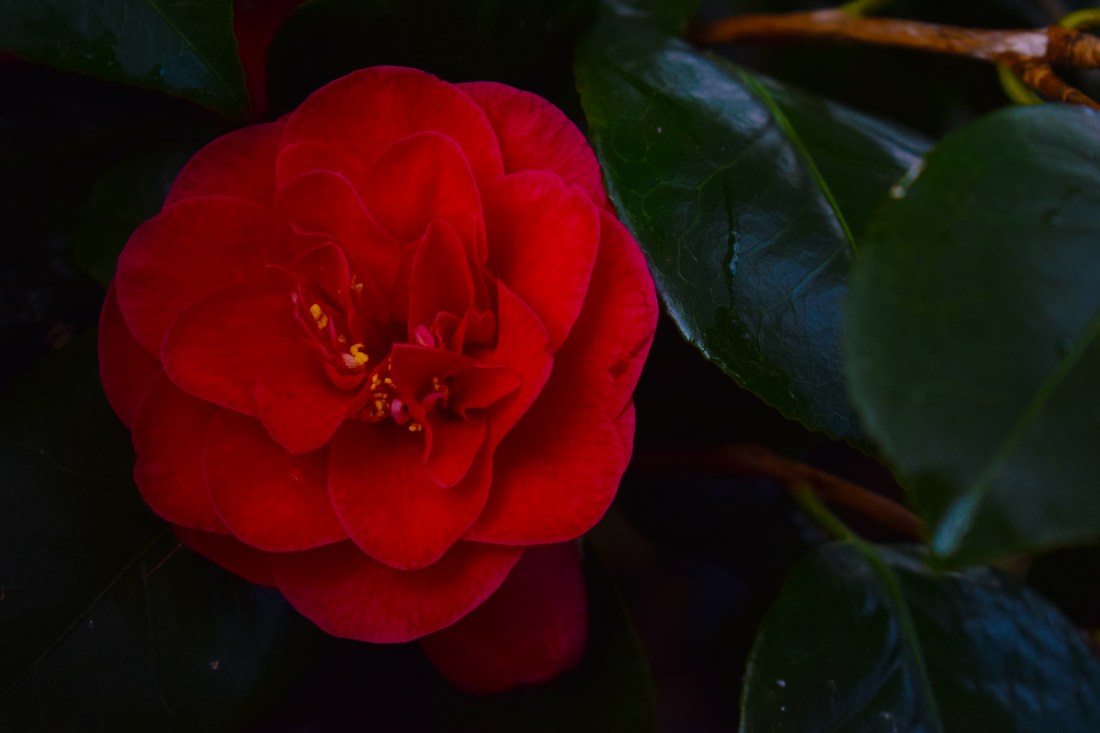
Here is one of the edited versions of the rose.

Yo desire rose

The Photographers Eye.

At the start of semester two, we were given a list of books we were to read, one of them being, The Photographers Eye by John Szarkowski.

Throughout this book, one thing that is found is five pointers dedicated to photography.


“The Thing Itself.”

John Szarkowski talks in his book about “the thing itself”. He talks about how photography deals with the actual. The subject and the actual photograph are not the same. Different photographs can convey the “truth”, through the photographer or the viewer when the look into the image.


“The Detail”

The author talks about the importance of detail and capturing it in order to make the photograph gain significance.

“Certain details can make the image gain intimacy and it can add something more to a picture, such as, a sense of place or time.”

“The Frame”

The importance of the frame includes everything within the frame of a photograph, whether it is consciously placed or not.

The photographer behind the camera has the ability to select everything that goes inside the frame and needs to take into account the different lines, textures, shapes, colours and even figures. He claims that the objects in the frame end up creating a relationship between the object.


“Time”

The phrase “the decisive moment” (created by the well known, Cartier Bresson) was talked about within this chapter. He claims that it is very misunderstood when it has been used. It is more to do with recognising the momentary patterning of shapes and lines and actually taking an image contains these. Shutter speeds. It is covered in the book that photographers are now proving that they want to freeze movement in an image, rather than blurring it.


“Vantage Point”

The fifth and final point within these is The Vantage Point. During this time, John Szarkowski talks about how, although the photographer may not always be able to move the subject, the cameras movement can usually be changed.

There are different vantage points, which is what he talks about, above, below, far away, close up, inverted, behind, or even half hidden, which is a good way to make the image more interesting. “Sometimes it can also bring different light to areas previously in the dark.”

56466311_422657501643919_5627054611194970112_n

Research. The Constructed Image.

Storm Thorgerson


I am very interested in surrealism and cinematic images, and so, as I have been interested in creating images with the use of type, I have looked into album covers, specifically Storm Thorgerson album covers.

Storm Thorgerson was popularly associated with leading music artist designing their single or album covers.

Some such clients of his include Pink Floyd, Genesis, Catherine Wheel, Led Zeppelin and other major rock artists of the century.


He was born on February 28, 1944, in Potters Bar, Middlesex.

“Thorgerson began his professional career with the foundation of graphic art group Hipgnosis, with his partner Aubrey Powell in 1968. The art group was concerned with designing music record covers. They designed numerous famous single and album covers.”

One of his most popular graphic works includes his album cover for Pink Floyd’s album “The Dark Side Of The Moon”

The major theme throughout his work and what really makes him stand out is the surreal elements and unique quality in his work. On the whole, his work was often wide spaces, which came across as odd on the surface but held beauty to the design.

“According to Thorgerson photography has an element of reality to it unlike drawing, thus his works project a twist in reality and ask of its viewers whether it is real or not.”